Paris can be a wonderful city to explore with a dog, but the best days are rarely the ones packed with the most landmarks. A comfortable route, regular water breaks and a few flexible stops will make the experience better for both you and your dog.
This one-day plan is designed for visitors who want to enjoy the atmosphere of Paris without rushing from one attraction to another. Use it as a framework and adjust the distance, timing and surroundings to your dog’s age, energy level and confidence in a busy city.
Before You Leave: Pack for a Comfortable City Walk
Bring water, a collapsible bowl, waste bags, a secure lead and a small towel for wet paws. A familiar blanket or mat can also help your dog settle during a café or picnic break.
Parisian streets can become warm in summer and crowded around major attractions. Start earlier on hot days, choose shaded streets when possible and avoid forcing a nervous dog through dense crowds. Always check current signs and local rules at parks and public spaces, as access can vary by location and by area within the same park.
Morning: Begin with a Quiet Neighbourhood Walk
Start the day in a neighbourhood where you can enjoy Paris at a slower pace. Residential streets, small squares and quieter viewpoints offer more opportunities to pause than the busiest landmark routes.
Let your dog sniff and settle into the new environment before attempting a longer walk. For many dogs, ten relaxed minutes at the beginning of the day are more valuable than immediately heading into a crowded square.
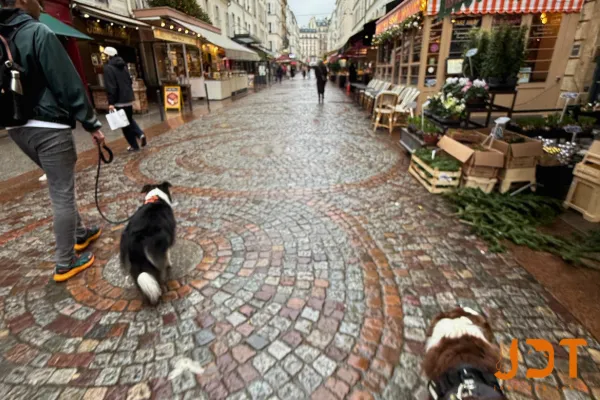
Montmartre can be particularly atmospheric in the morning, with village-like streets, unexpected views and plenty of details that are easy to miss when you follow only the standard tourist route. Choose gentler streets if steps are difficult for your dog, and remember that the hill can make a short distance feel longer.
Late Morning: Add a Scenic Walk, Not a Landmark Checklist
Instead of trying to visit every famous monument, choose one scenic section of the city and explore it well. A route beside the Seine or through elegant neighbourhood streets can provide the classic Paris feeling without constant transport changes.
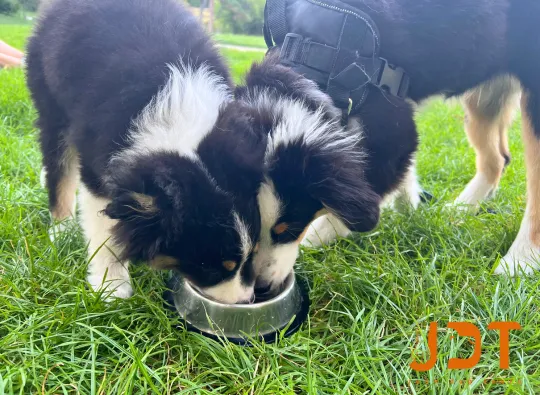
Keep the lead short near traffic, cyclists and busy crossings. Pause regularly so your dog can drink and recover from the noise. If the route becomes crowded, move one or two streets away from the main attraction; the quieter alternative is often more enjoyable and more photogenic.
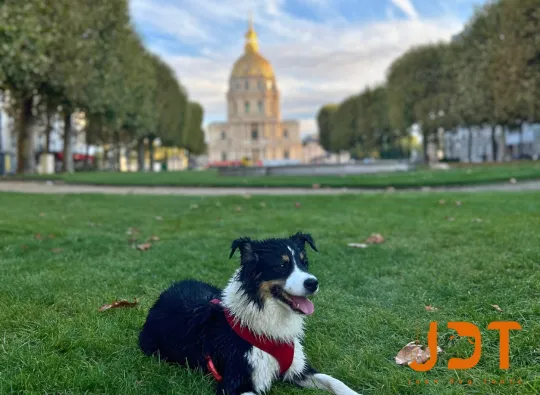
This is also a good moment for photos. Look for open backgrounds, soft morning light and a safe place where your dog can stand comfortably. Never remove the lead just for a picture in an unsecured urban space.
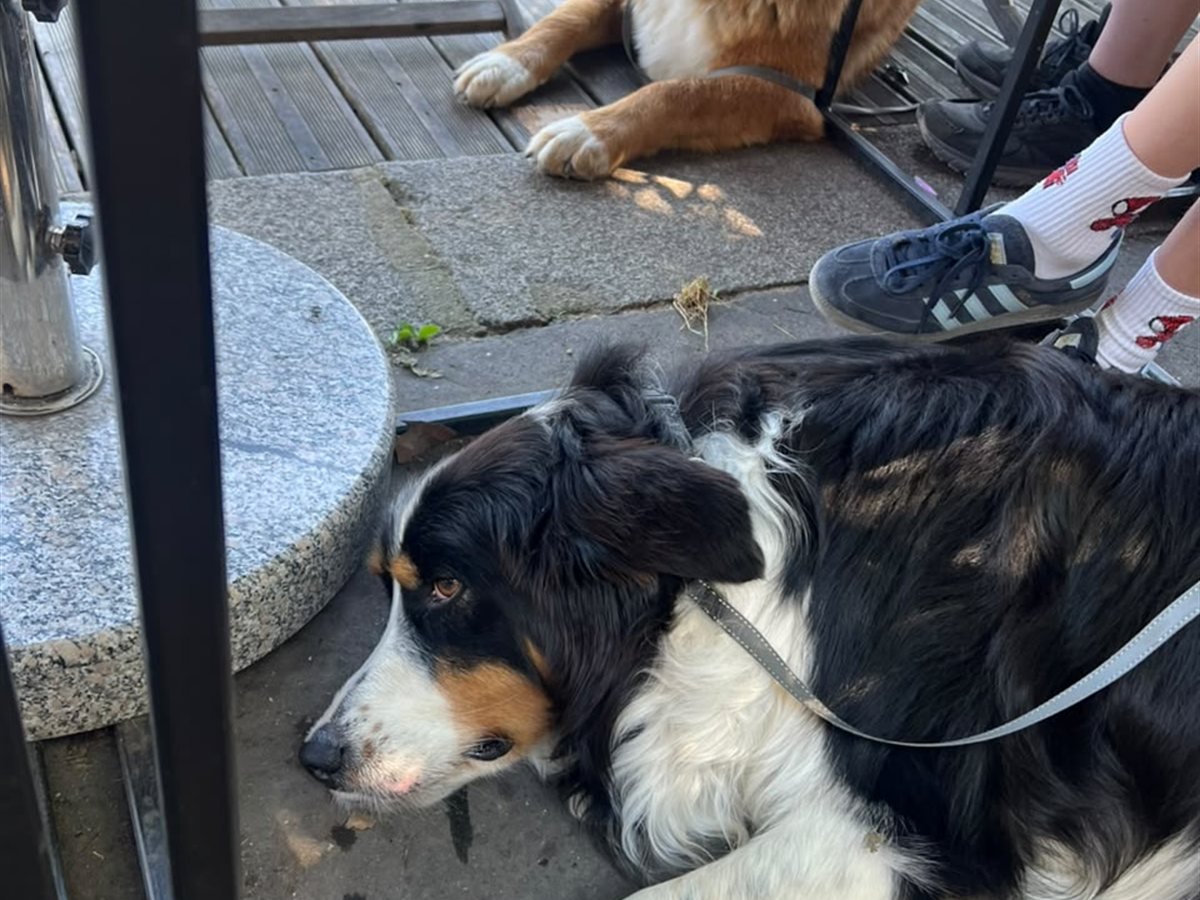
Lunch: Choose a Flexible Café or Picnic Stop
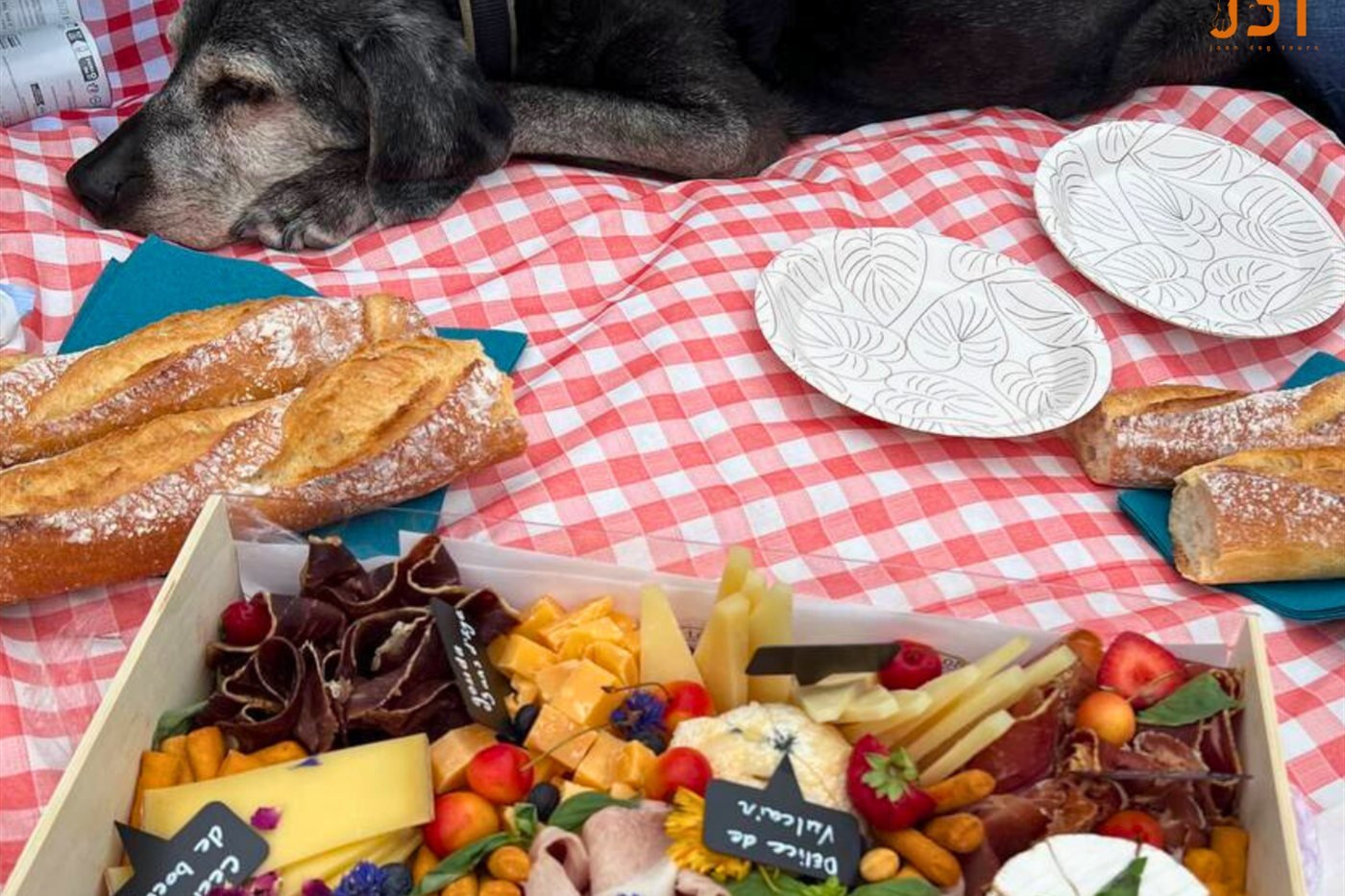
Dog acceptance can differ from one café to another and may depend on space, time and the individual team working that day. Ask politely before sitting down, and choose an outdoor table when the weather is suitable. A dog that can relax on a familiar mat is usually easier to accommodate.
A picnic can be an even more flexible option. Choose a permitted, clean and calm area, bring water for your dog and keep food that may be unsafe for dogs out of reach. Avoid leaving waste or allowing your dog to disturb other visitors.
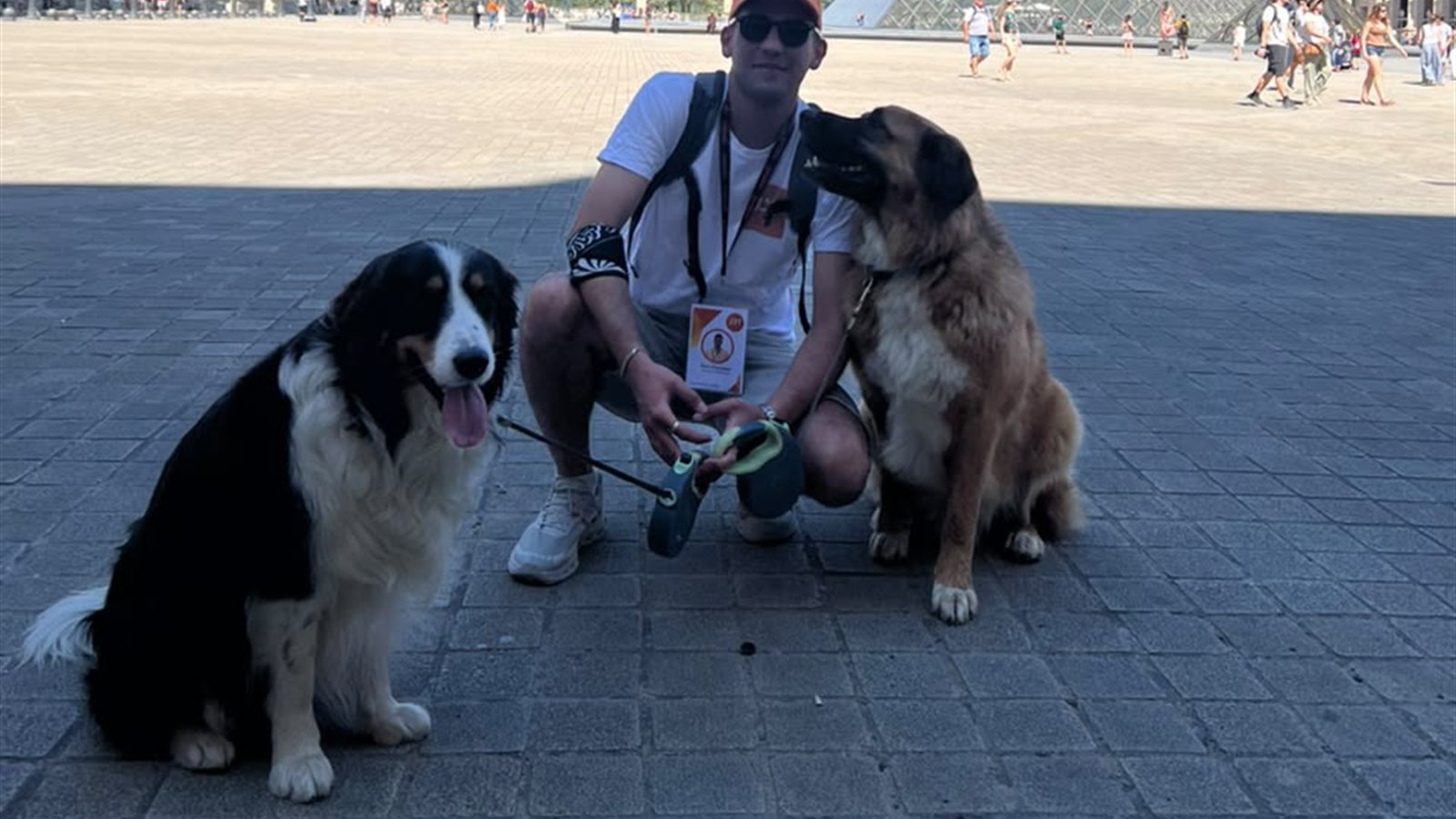
If you would rather have the route, picnic and timing organised for you, Joon Dog Tours offers a private Paris experience with dogs and a picnic. The route and pace can be adapted to your dog and group, so the experience is built around enjoying Paris with dogs rather than treating them as an afterthought. A picnic is included with every booking and can be changed if you prefer a different arrangement.
Afternoon: Follow Your Dog’s Energy Level
After lunch, decide whether your dog is ready for another walk or would benefit from a quieter finish. Signs such as slowing down, repeated stopping, heavy panting or difficulty settling can mean it is time to shorten the route.
For an active dog, continue through a new neighbourhood with shaded streets and frequent pauses. For an older, small or easily overwhelmed dog, choose one final viewpoint or café stop and finish while the experience is still positive.
Public transport may help reduce the walking distance, but rules and practical conditions can change. Check the current operator guidance before travelling, and consider the crowd level as well as whether your dog is technically permitted.
A Simple Dog-Friendly Paris Schedule
- 9:00 — quiet neighbourhood walk and time to settle
- 10:30 — scenic route and photo stops
- 12:30 — café terrace or picnic break
- 14:00 — shorter afternoon exploration
- 16:00 — water, rest and an early finish if needed
The times are deliberately flexible. A successful day with a dog is measured by comfort and shared enjoyment, not by the number of attractions completed.
Local Etiquette That Makes the Day Easier
Keep your dog close around other people and dogs, clean up immediately and do not assume every green space or indoor venue permits dogs. Ask before entering a café, shop or private space. In parks, follow the signs for the exact section you are using.
It also helps to carry water even in cool weather, avoid blocking narrow pavements and give your dog enough time to rest. These small choices make travelling with a dog easier for everyone and help dog-friendly businesses continue welcoming canine visitors.
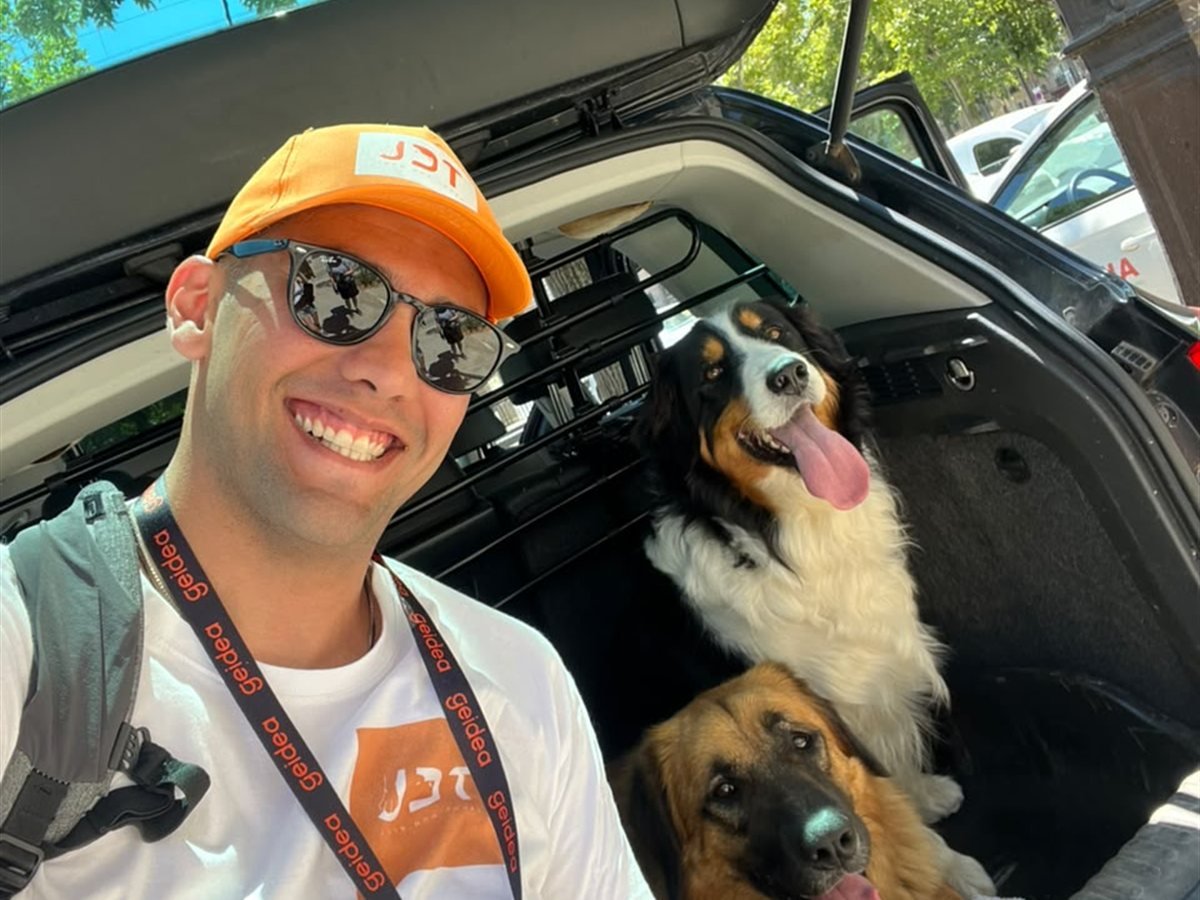
Want a Dog-Centred Way to Discover Paris?
Planning independently gives you flexibility, but local guidance can save time when you are unfamiliar with neighbourhoods, access rules and crowd patterns. Joon Dog Tours creates Paris experiences for people who genuinely want their dog included in the day.
Explore and book the private Paris tour with dogs and picnic. You can share your dog’s needs, preferred pace and any requested change to the picnic arrangement when planning the experience.
FAQ
Is Paris a dog-friendly city for tourists?
Paris offers many enjoyable walks, terraces and dog-friendly experiences, but access is not universal. Check the rules for each park, venue and transport service rather than assuming all dogs are accepted everywhere.
Can dogs enter parks in Paris?
Some parks or designated areas permit dogs while others restrict them. Rules may differ between sections, so follow the signs at the entrance and consult current official information before your visit.
How much walking should I plan with my dog in Paris?
Plan around your own dog rather than a fixed distance. Age, fitness, weather, pavement temperature, crowds and unfamiliar noise all affect how comfortable the walk will be.
What should I bring for a day in Paris with my dog?
Bring water, a collapsible bowl, waste bags, a secure lead and any medication your dog needs. A familiar mat and a small towel can make breaks easier.
Is a private dog-friendly tour useful for a first visit?
A private experience can reduce planning and adapt the pace to your dog. It is especially helpful if you want local routes, photo stops and a dog-centred itinerary rather than a standard tour that merely allows dogs.